Etape 1. Le jeu
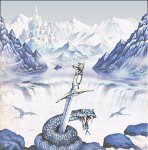
Clair-Obscur : Expédition 33 (
lien Steam) est développé par une équipe (française, cocorico) indépendante (ie, ce n'est pas un gros studio publiant un jeu AAA).
Etape 2. Le jeu est finalisé et vendu en avril 2025 et rencontre un certain succès ludique et commercial, et est annoncé comme étant "sans IA générative" pour ses élements artistiques.
Etape 3. Le 18 décembre, il rafle tout un tas de prix dans le monde indé.
Etape 4. Certaines voix s'élèvent sur le fait que (contrairement aux annonces de l'étape 2), certaines textures présentes dans le jeu (des posters sur des décors, ...) sentent fortement l'IA générative.
Etape 5. Tous ses prix lui sont retirés (voir
https://news.instant-gaming.com/fr/arti ... ilise-l-ia).
Etape 6. L'explication du pourquoi du comment est établie : pendant les phase initiales (au moment de l'étape 1), des resources graphiques dites "placeholders" (= mises temporairement en place pour "habiller" certaines parties non finalisées) ont bien été générées par IA, pour gagner du temps et donner un meilleur aperçu du produit en cours de construction (ce qui n'a rien de délirant en soi, c'est une "technique" fréquemment utilisée). Mais certaines ressources ont été laissées / oubliées jusqu'à l'étape 2, et n'ont pas donc été remplacées à temps.
Etape 7. Le site Gus'N'Co fait un article sur cette affaire (un site traitant à la base de jeux de société) :
https://gusandco.net/2025/12/21/clair-o ... ification/ - c'est cocasse et ça mérite une Etape 7, car ce site est accusé depuis des années de publier moultes articles de (très) piètre qualité, écrits à coup de ChatGPT (en oubliant parfois des morceaux de prompt lors de la publication) !